
2026 Aluminium Sliding Window Design Trends in Brisbane
If you’re building or renovating this year, Brisbane’s 2026 aluminium sliding window trends focus on cleaner lines, warmer colours, and subtle details. These features give your home an architect-designed look without excess.
Brisbane homes face humidity, storms, salt air near the bay, and plenty of bugs. The best-looking window options for 2026 are also built to handle our subtropical climate.
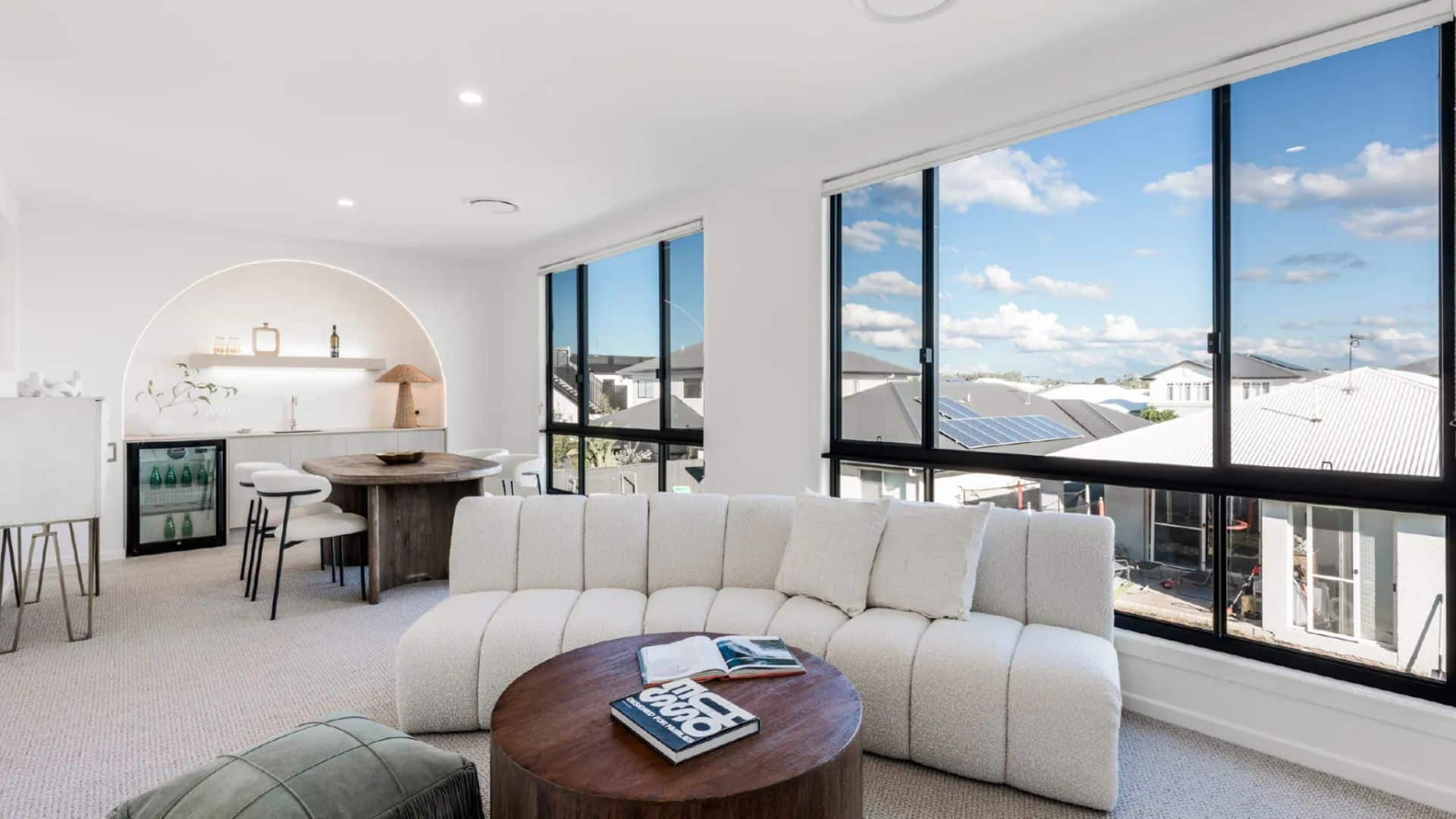
Photo Credit: Bradnam’s Essential Sliding Windows - Homes by CMA
Key takeaways
- Slimmer sightlines are trending: more glass, less frame, and cleaner elevations.
- Black remains popular, but warm neutrals, such as dune and sandstone tones, are becoming more prominent in 2026.
- Privacy glass is now used more strategically, placed only where needed to maintain natural light.
- Screens are becoming more minimalist, with finer mesh and tighter frames to avoid adding visual weight to the window.
- Hardware is becoming low-profile, with consistent finishes across windows and doors for a more cohesive appearance.
What’s changing in 2026?
Two things are driving the shift:
- The 'less frame, more view' aesthetic is now common in standard builds, not just high-end architect-designed homes.
- Brisbane’s lifestyle continues to require practical solutions, including airflow, easy cleaning, insect control, and durability in heat and humidity.
In 2026, the focus is on subtle upgrades that give your home a high-end look and feel, instead of bold design statements.
Trend 1: Slim sightlines (more glass, less frame)
This year, it is all about cleaner frames and bigger glass moments. That “less aluminium, more view” look that instantly modernises a façade. For Brisbane homes, it’s a win for daylight and indoor–outdoor connection, especially in living zones and around alfresco areas
What it looks like
- Narrower meeting rails and cleaner framing lines
- Larger glass panes where possible, with fewer dividers
Where it works best
- Living areas facing the yard
- Kitchens looking to a patio/alfresco
- Any location where increased daylight is desired without altering the entire façade
What to pick
- Choose configurations that maximise the main clear pane (keep mullions to a minimum)
- If you’re pairing windows together, align head heights and sightlines so it looks intentional (not like a patchwork)
Practical tip for Brisbane: Larger windows can be more exposed to wind, especially on higher floors. Make sure your window sizes and setups suit your site and meet local rules. Your supplier or builder can help check this.
Trend 2: Frame colours for 2026 (black and warm neutrals)
Black frames are still a favourite for their sharp contrast. In 2026, you’ll see more warm neutrals and earthy tones that soften the look and pair well with Queensland materials like timber, travertine-style pavers, and sandy render. Dulux’s 2026 Colour Forecast also highlights these warm, natural shades.
What it looks like
- Matte/texture blacks for modern homes
- Soft whites that aren’t stark
- Warm beiges and “sand” tones (think Dune-style warmth)
Where it works best
- Black: contemporary, industrial, sharp modern Queenslanders
- Warm neutrals: coastal, natural, Mediterranean-inspired, or anywhere you want the home to feel less “high contrast”
What to pick (easy Brisbane-safe palette)
- Black + warm timber (simple, modern)
- Soft white + warm neutral trim (coastal, airy)
- Warm neutral frames + stone/neutral render (very 2026)
Trend 3: Privacy glass (where to use it without losing light)
Instead of frosting everything, the smarter 2026 move is targeted privacy. Use obscure glass only where sightlines demand it (bathrooms, side boundaries, neighbour-facing windows). You keep the brightness, but lose the “fishbowl” feeling.
What it looks like
- Obscure/frosted glass used selectively (often in the lower section or on side elevations)
- Clear glass is kept where you want the outlook and brightness
Where it works best
- Bathrooms, en-suites, stair landings
- Kitchen windows facing neighbours
- Front/side elevations near footpaths
What to pick
- Decide privacy by view angle, not by room label
- If the window looks onto a neighbour’s living area, consider obscure
- If it looks at the sky/trees: keep it clear
- Consider a mix: obscure on one window in a bank, clear on the others
You’ll even see in-stock sliding window options with obscure glass (handy for bathrooms/laundries and side boundaries).
Trend 4: Window screens (cleaner look, better airflow)
Screens are a Brisbane must-have. The trend is making them visually quieter. Cleaner frames and better-integrated mesh mean you get airflow and bug control without the window looking busy or “afterthought”.
What it looks like
- Finer mesh (less “grid” look)
- Cleaner, tighter screen frames that match the window finish
- Better alignment so screens sit neatly (not proud/awkward)
Where it works best
- Anywhere facing alfresco zones or breezeways
- Bedrooms (night airflow without welcoming mozzies)
What to pick
- Ask about mesh options (fibreglass, aluminium, stainless, micro-mesh) and match the choice to your location, such as focusing on durability for coastal areas.
- Keep finishes consistent: screen frame colour should match or intentionally complement the window frame
Trend 5: Low-profile hardware (matched finishes)
The easiest way to make windows feel more premium in 2026? Low-profile, flush hardware and a single consistent finish across the home (windows, doors, and screens). It’s a subtle detail, but it makes everything look intentionally “designed”, not mixed-and-matched.
What it looks like
- Hardware that sits flush and doesn’t shout
- One finish across windows/doors (rather than mixing silvers, blacks, random whites)
Where it works best
- Open-plan living areas (where you see lots of windows at once)
- Homes doing a broader refresh (windows + doors + screens)
What to pick
- Choose one “hero finish” (often black or a matched neutral) and repeat it
- If you’re doing multiple window types, ensure the handles and locks don’t look like they came from different decades
Trend 6: Best places to use sliding windows (Brisbane layouts)
Sliding windows are popular in Brisbane because they’re practical, reliable, and suit modern home designs.
Top placements that look and function well:
- Kitchen servery windows (especially to a deck/patio)
- Patios + alfresco edges where you want ventilation without swing-clearance issues
- Walkways and side setbacks (sliding keeps things neat and out of the way)
- Laundry/bathroom combos (great spot for privacy glass + screens)
Choose your look: 3 mini “style recipes” (with do/don’t tips)
1) Modern Queenslander (clean + warm)
- Do: warm neutral frames, clear glass to living areas, obscure only where needed
- Do: pair with timber accents and soft whites
- Don’t: go ultra-stark white + high-gloss black everywhere (can feel harsh in bright QLD sun)
2) Urban Minimal (sharp + architectural)
- Do: black frames, slim sightlines, simple geometry
- Do: keep screens understated (finer mesh, matched frame colour)
- Don’t: mix hardware finishes — it cheapens the look fast
3) Coastal Calm (bright + breezy)
- Do: soft whites (not icy), warm sandy trims, light-filled glazing
- Do: prioritise airflow zones (bedrooms, living, hall cross-breezes)
- Don’t: default to privacy glass everywhere, you’ll lose that coastal brightness
Buyer checklist: what to decide before you order
If you have these answers ready, you’ll avoid a lot of back-and-forth:
- Rough opening size (width × height, mm)
- Which panel slides (left/right from outside looking in)
- Frame colour (and whether you need to match other windows/doors)
- Glass type: clear vs obscure, and where privacy is required
- Screens: mesh type + colour-matching preference
- Energy performance goals (double glazing / low-E options can matter in QLD comfort and noise)
- Site exposure (wind, coastal air, driving rain) — this can affect what sizes/configs are suitable
Choose 2026 Window Trends with Expert Advice from A&D
The best window choices for Brisbane in 2026 are modern and practical. Look for slimmer frames, warm colours, smart privacy options, subtle screens, and matching hardware to make daily life easier.
If you want quick advice, just send us your window size and preferred colour. We can suggest a sliding window setup that suits your home and Brisbane’s climate.